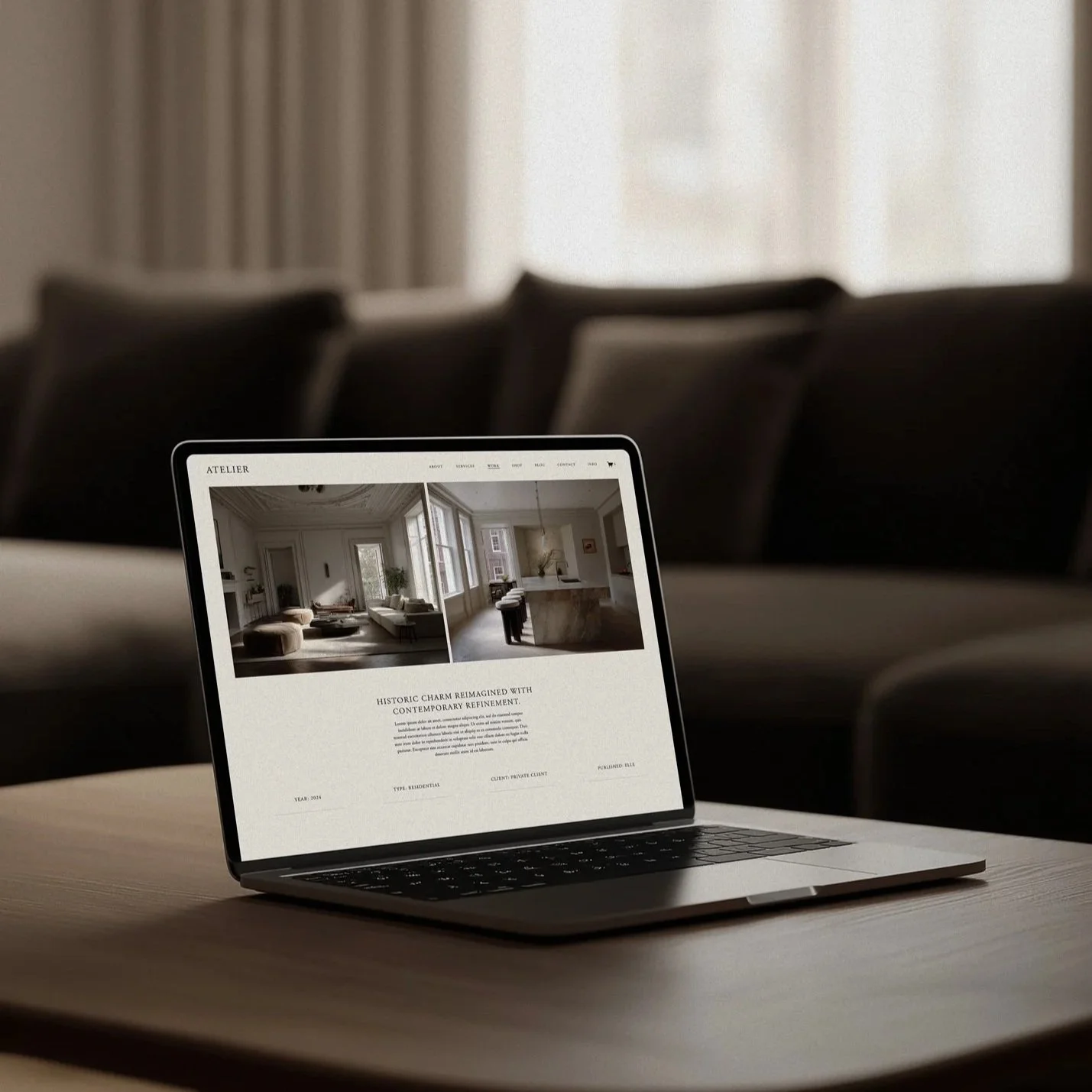
The world of interior design is constantly evolving, and branding often follows the same cycle. One year, every studio seems to favour understated serif typography and muted neutrals. The next, a new colour palette, typeface or visual aesthetic begins appearing everywhere.
It is tempting to follow these shifts, particularly when building a brand in a competitive industry. But a distinctive interior design brand should do more than reflect what is popular.
It should communicate your point of view, attract the right clients and remain recognisable as trends change.
So, how do you create a brand that feels current without chasing every new aesthetic?

Start with your design philosophy
Before choosing colours, fonts or logo styles, consider what makes your approach to interior design different.
Perhaps you specialise in restoring characterful period properties, creating contemporary family homes or combining traditional craftsmanship with modern forms. Your approach to materials, space, function and detail can all inform your brand.
The goal is not to invent a difference that does not exist. It is to identify what already defines your work and communicate it clearly.
When your brand grows from your design philosophy, visual decisions become more meaningful. Rather than choosing a typeface because it is fashionable, you can select one that reflects the character of your studio.
Look beyond the familiar interiors aesthetic
Many interior design brands gravitate towards similar visual choices. Neutral palettes, refined serif fonts and minimal layouts can create a sophisticated impression, but they are not automatically distinctive.
There is nothing wrong with these elements if they genuinely suit your studio. The challenge comes when they are chosen simply because they are associated with the industry.
Consider what your brand could communicate through less expected combinations. A restrained identity might incorporate a distinctive graphic detail. A traditional studio might pair classic typography with a more contemporary layout. A minimalist practice could use expressive photography or an unexpected accent colour.
Standing out does not require being louder than everyone else. It requires making choices that feel specific to your business.
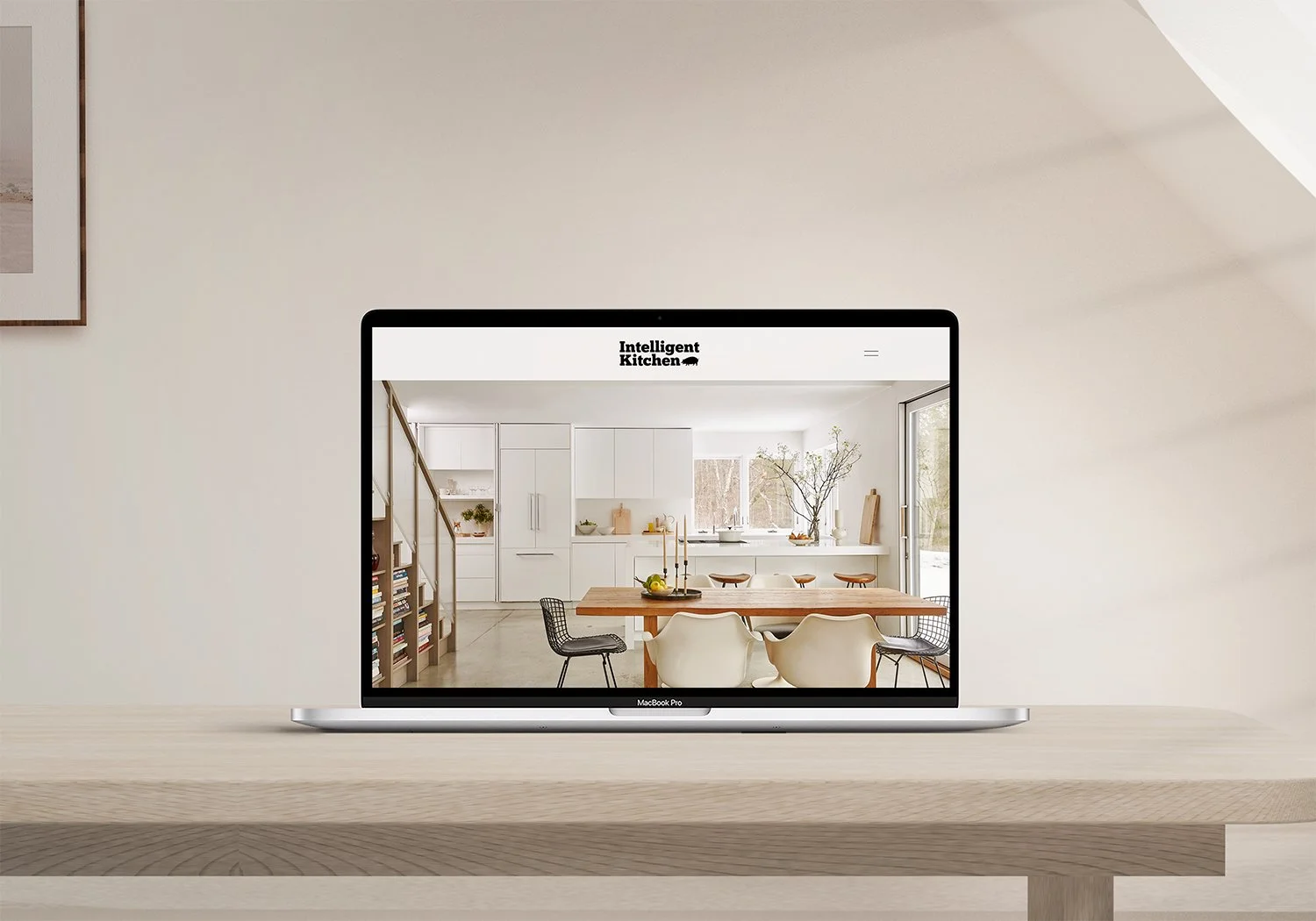
Build a visual identity around your positioning
Your brand identity should reflect both the work you create and the clients you want to attract.
A studio working on contemporary coastal homes may need to communicate something different from one specialising in historic renovations or hospitality spaces. Even if their services overlap, their positioning, visual language and messaging can help distinguish them.
Consider how the following elements work together:
Typography: Choose typefaces that reflect your studio's character and remain legible across your website, proposals and printed materials.
Colour: Develop a palette that supports your positioning rather than relying on the colours currently dominating design feeds.
Photography: Your imagery should communicate the atmosphere, materiality and level of detail that define your work.
Graphic elements: Monograms, symbols, lines and layouts can add recognition when they have a clear relationship with the wider identity.
No single element needs to be entirely unprecedented. Distinction comes from the way the elements combine and the consistency with which you use them.
Make your brand recognisable beyond the logo
A logo is only one part of a brand identity. Your website, project presentations, social media, proposals and client communications all contribute to how people perceive your studio.
Think about the experience of encountering your business at different points. Does your website feel connected to your Instagram presence? Do your proposals reflect the same level of care as your portfolio? Does the language you use communicate the same personality as your visual identity?
Consistency does not mean making everything identical. It means creating a recognisable system that can adapt to different formats without losing its character.

Choose longevity over novelty
A strong brand does not have to look traditional or deliberately understated to last. It simply needs a foundation that is more substantial than a passing trend.
Before committing to a visual direction, ask yourself a few questions. Does it reflect the work I want to be known for? Will it appeal to the clients I want to attract? Can it accommodate the evolution of my studio? Does it still feel relevant when removed from the references that inspired it?
These questions help separate a direction that genuinely suits your business from one that only feels exciting in the moment.
This does not mean your branding should never change. As your studio develops, your positioning and visual identity may need to evolve with it. The aim is to make those changes in response to your business, rather than simply following the next trend.
Let your brand evolve with your studio
Your brand should give your business room to grow. Perhaps you begin with residential interiors and later expand into hospitality, or move towards larger projects with a different client profile.
A considered brand identity creates a framework that can adapt without losing recognition. It allows you to refine your messaging, introduce new applications and develop your visual language while maintaining a clear sense of who you are.
Where to Start
At Avelã Creative, we believe the most effective branding begins with understanding the business behind it. The result should feel distinctive because it reflects the studio itself, not because it follows or rejects a particular trend.
Your brand does not need to look like the next big thing. It needs to communicate what makes your work worth remembering.
If your current identity no longer reflects the direction of your studio, a strategic rebrand can help bring your positioning, visual identity and online presence into alignment. Explore Avelã Creative's branding services to discover how a considered brand identity can help your interior design studio stand apart.