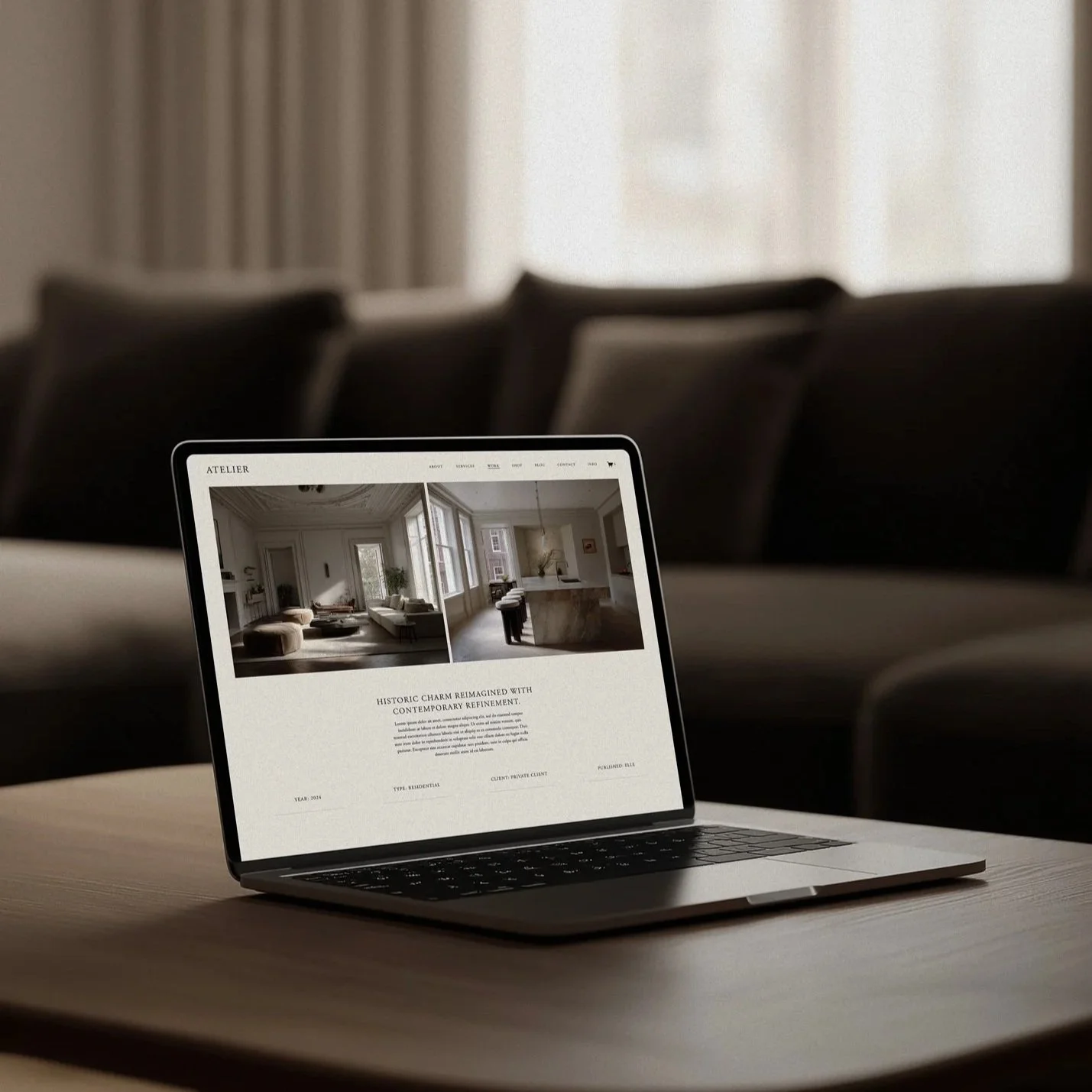
For creative businesses, a website is often the first place a potential client experiences your work. It sets expectations, communicates your value and helps someone decide whether your business is the right fit.
But even a beautifully designed website can miss the mark. A strong visual identity and impressive portfolio matter, but they need to work alongside clear messaging, thoughtful structure and a straightforward user experience.
Here are some of the most common website mistakes creative businesses make, and how to avoid them.
1. Prioritising aesthetics over strategy
A beautiful website can capture attention, but it also needs to answer the right questions. Visitors should quickly understand what you offer, who you work with and what makes your approach different.
Before choosing layouts, animations or typography, establish the purpose of each page and the action you want visitors to take.
2. Making your portfolio do all the talking
Strong imagery is essential for design led businesses, but a collection of beautiful projects rarely tells the whole story. Potential clients also want to understand your process, the challenges you solve and the experience of working with you.
Add context to your projects. Explain the brief, your approach and the thinking behind key decisions. This helps visitors appreciate not just what you create, but the value you bring.
3. Using vague messaging
Phrases such as “thoughtfully designed spaces” or “creative solutions for modern brands” might sound appealing, but they do not always explain what you actually do.
Your website copy should be specific about your services, ideal clients and the problems you help solve. Clear messaging makes it easier for the right people to recognise themselves in your offer.
4. Overlooking SEO
A website can look exceptional and still struggle to attract visitors if search engines cannot understand its content.
Give each page a clear purpose, use relevant keywords naturally in headings and copy, write descriptive page titles and meta descriptions, and add meaningful alt text to images. For creative businesses, location based keywords can also help attract clients searching for services in a particular area.
SEO works best when it is considered from the beginning, rather than added as an afterthought.
5. Making navigation unnecessarily complicated
Unusual menus and creative interactions can be engaging, but not when they make essential information difficult to find.
Keep your navigation intuitive. Visitors should be able to reach your services, portfolio, about page and contact details without having to work for them. Creative design should make the experience more enjoyable, not less accessible.
6. Forgetting about mobile visitors
Your website may look perfect on a large screen, but that does not guarantee the same experience on a phone.
Check that text is readable, images are properly cropped, buttons are easy to tap and forms are simple to complete. Also review loading speed, particularly if your site relies on large portfolio images or video.
7. Leaving visitors without a next step
A potential client might love your work but still leave without enquiring if it is unclear what to do next.
Include relevant calls to action throughout your website, whether that means enquiring about a project, booking a consultation or exploring your services. Make the next step feel natural and explain what happens after someone gets in touch.
8. Treating your website as a finished project
Your business evolves. Your services change, your portfolio grows and your positioning becomes more refined. Your website should reflect that progress.
Review your content regularly, update your projects and check that every important page still serves a purpose. Use analytics and enquiry patterns to identify what is working and where visitors may be losing interest.
A website should do more than look good
The strongest creative business websites bring visual identity, strategy, messaging and functionality together. Every element should help visitors understand your work, trust your expertise and feel confident taking the next step.
If your current website no longer reflects the quality of your business, it may not need a complete redesign. Sometimes, a clearer message, better structure or more considered user journey can make a meaningful difference.
Where to Start
At Avelã Creative, we design strategic websites for creative businesses that want to communicate their value with clarity and confidence. Whether you need a focused refresh or a complete redesign, your website should support the next stage of your business.