Custom vs Semi-Custom Website Design: Which Is Right for Your Business?
Choosing between custom and semi-custom website design is not simply a question of selecting the more expensive or comprehensive option.
A semi-custom website begins with an established design framework that is adapted to your brand, content and business. A custom website begins with your specific positioning, audience, content and customer journey, with the structure and visual direction developed around them.
Both can produce a polished and effective website. The right choice depends on how closely an existing framework fits the business you are building.
What is semi-custom website design?
Semi-custom website design starts with a professionally designed template or page system.
The typography, colours, imagery and content are adapted to reflect your brand. Sections may be rearranged, removed or refined, but the original design provides the main foundation for the website.
This makes semi-custom design particularly suitable for businesses with a focused offer and relatively straightforward content requirements.
An interior designer might need a home page, studio introduction, services, portfolio, process and enquiry page. A consultant may need a similar structure, with case studies or insights added where appropriate.
When the framework already supports the content, there is little value in creating every layout from the beginning.
What is custom website design?
Custom website design begins with strategy rather than an existing layout.
The sitemap, page hierarchy, user journeys and visual direction are created for the individual business. This does not necessarily mean that every element is custom coded. A fully custom website can still be designed and built on platforms such as Squarespace or Shopify.
The distinction lies in how the decisions are made.
Instead of adapting the business to a predetermined structure, the structure is developed around the business.
This allows greater freedom over how services are presented, how different audiences navigate the site and how the visual identity is expressed online.
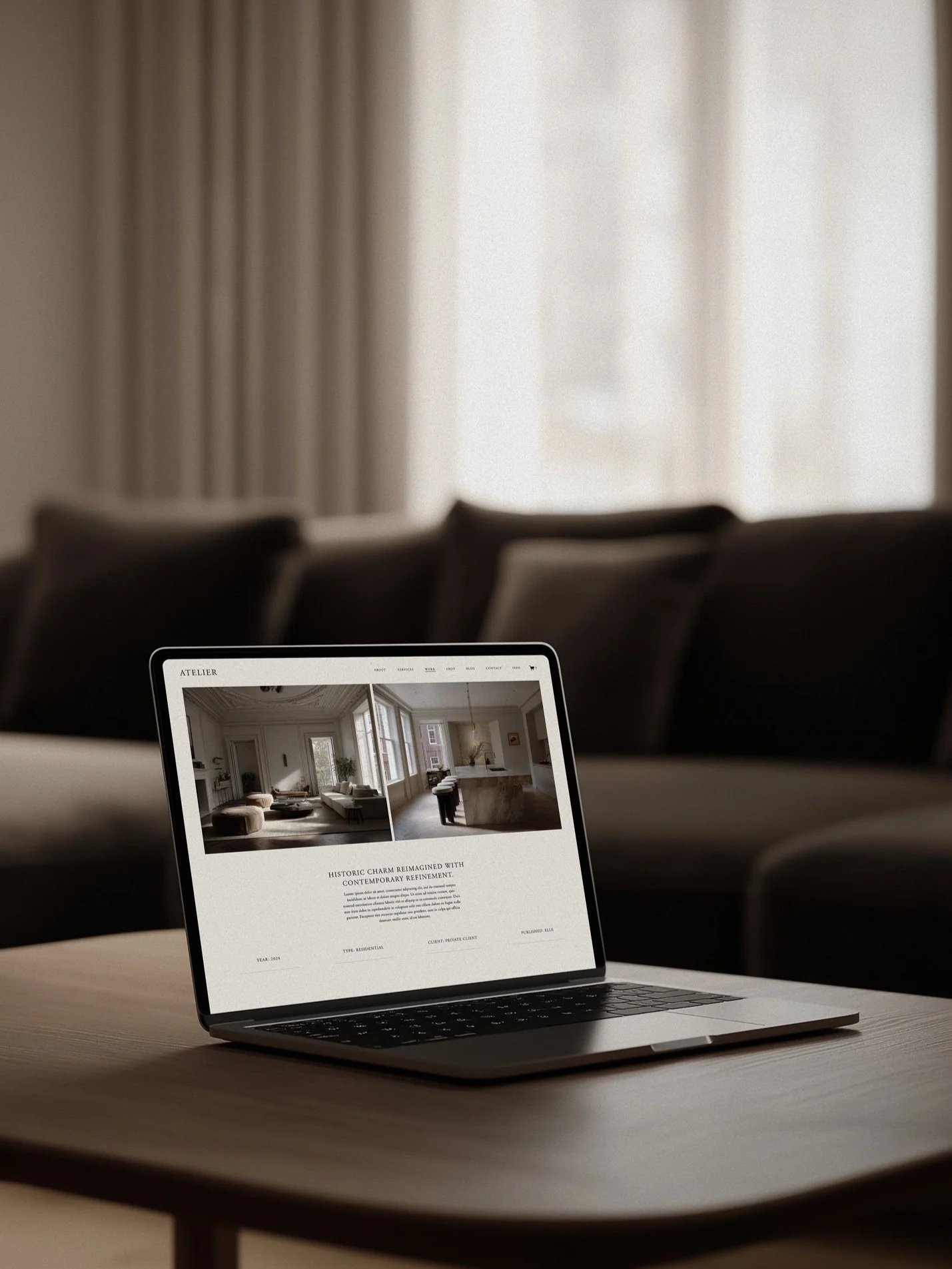
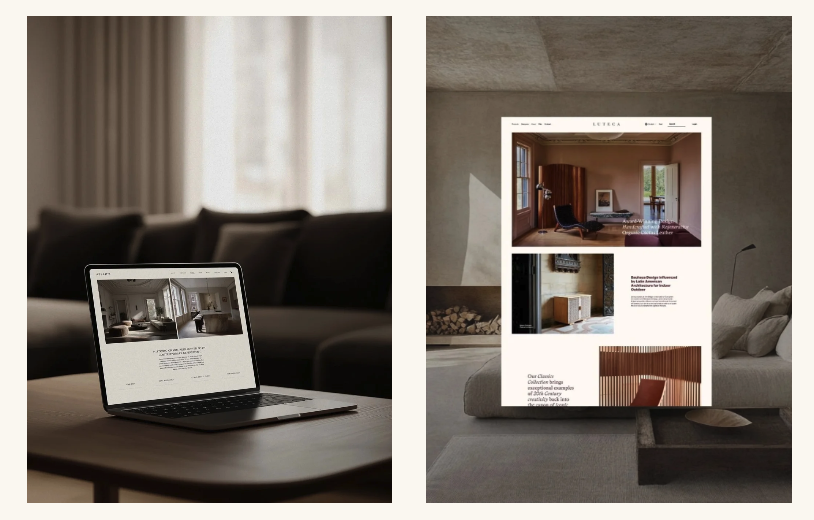
Semi-Custom collection for Interior designers “Atelier”
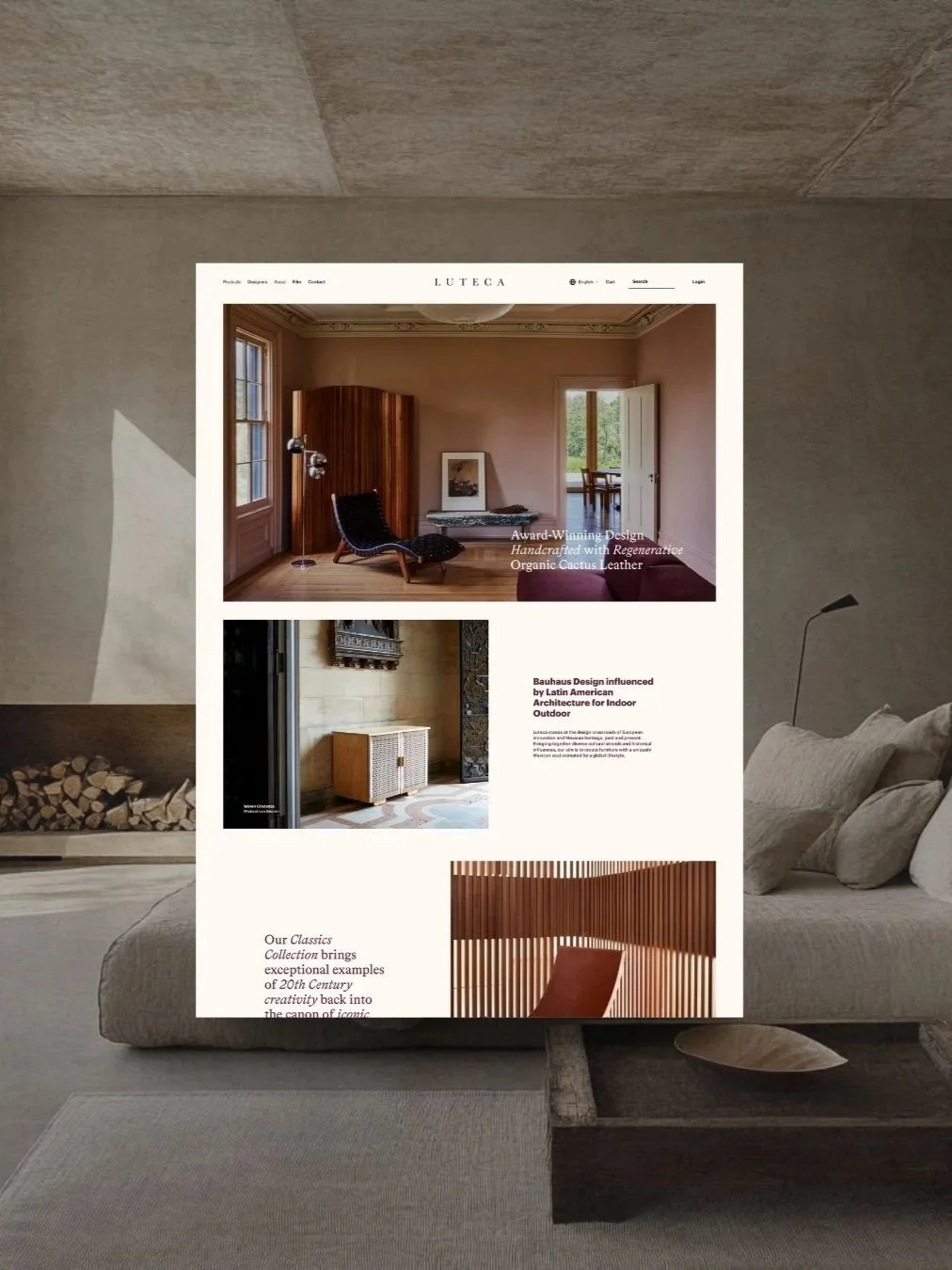
Custom website for Furniture Design Studio Luteca
When is a semi-custom website the right choice?
Your offer is focused and easy to understand
Semi-custom design works well when visitors follow a relatively simple journey.
You may offer one principal service, a small collection of related services or a carefully edited product range. Your website needs to explain the offer clearly, present your work and provide an obvious route towards an enquiry or purchase.
Complexity should not be added simply to make the website feel substantial.
You already have a clear brand identity
A semi-custom website is most effective when the visual foundations are already established.
Your logo, typography, colour palette, photography and tone of voice should provide enough direction to transform the original template into something recognisably yours.
Without these foundations, customising a website can become a series of disconnected aesthetic choices.
Your content fits the existing framework
Before choosing a semi-custom design, review the required pages and the type of content each one needs.
The framework should support your strongest imagery, appropriate copy lengths, project presentation and calls to action. Selecting a template because you like its demonstration site can be misleading when your actual content is significantly different.
The template should suit the business, rather than forcing the business to imitate the template.
You need a more efficient process
Because the core layouts have already been designed, semi-custom projects can involve a smaller investment and more focused timeline than a fully custom website.
The efficiency comes from reducing the number of structural and visual decisions, not from applying your logo to an unchanged template.
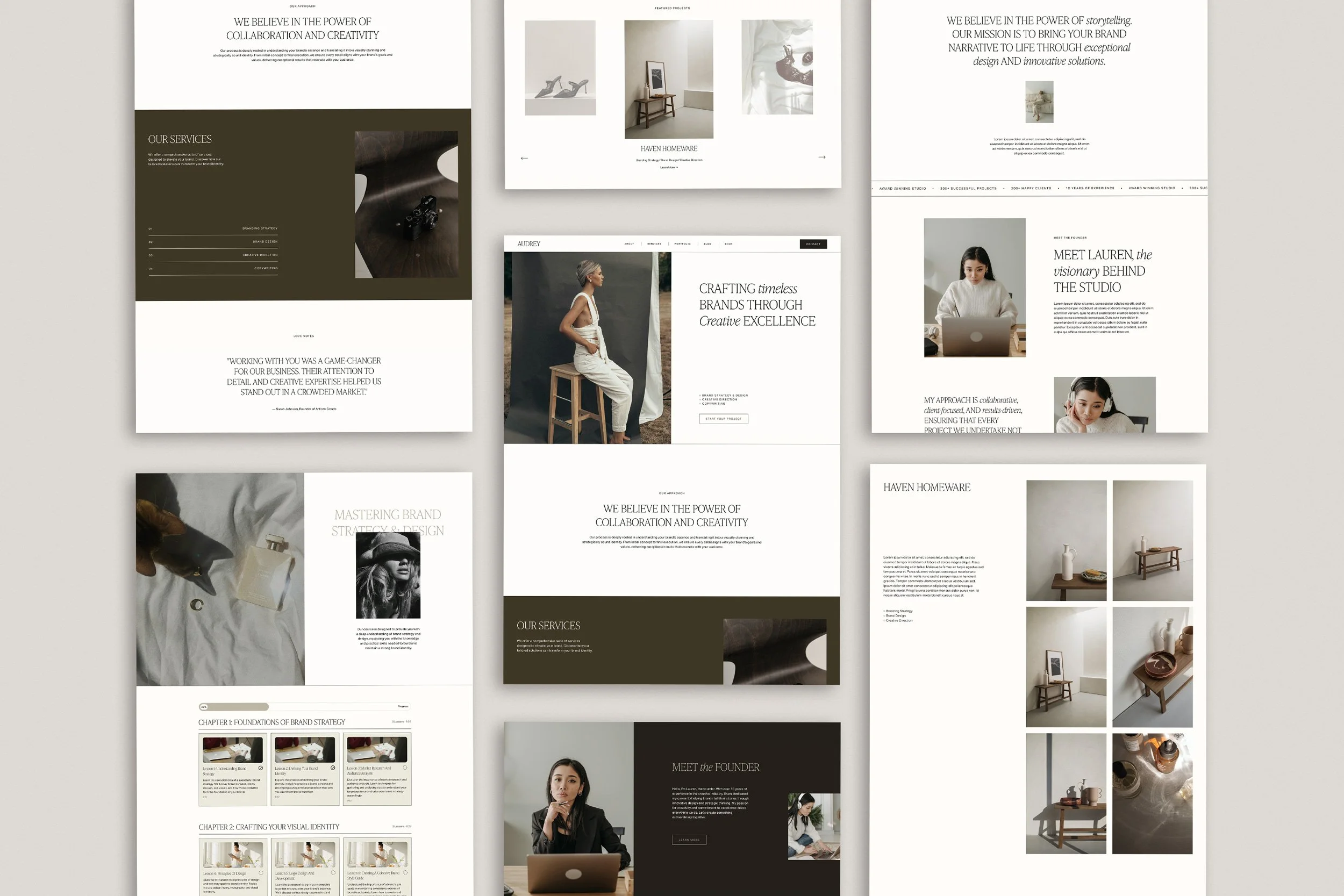
Semi-Custom collection for creative businesses “Audrey”
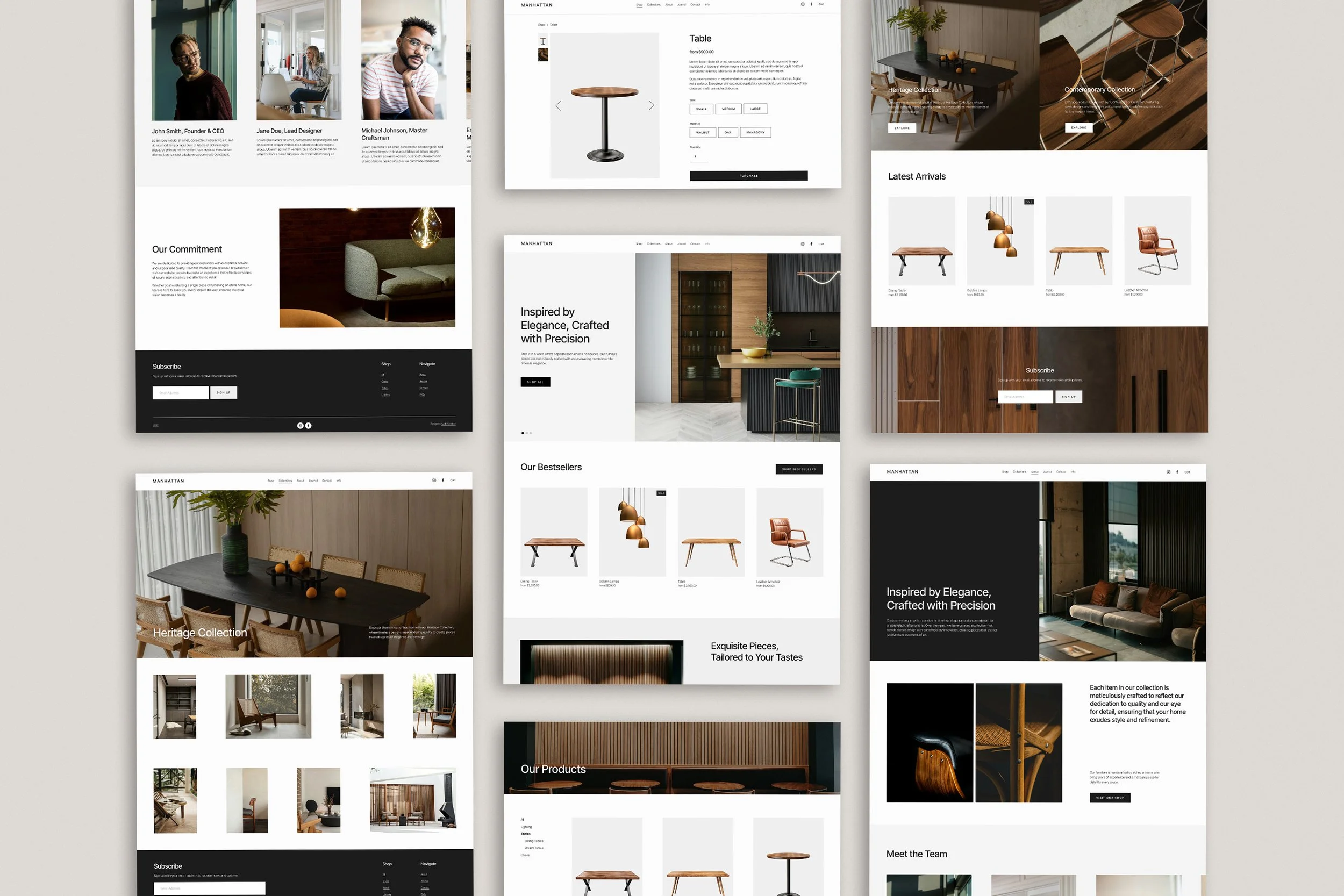
Semi-Custom collection for premium e-commerce “Manhattan”
When is custom website design the better investment?
Your business has a distinctive or complex offer
Custom design becomes valuable when the website must communicate something that does not fit neatly into a standard structure.
A creative consultancy may serve several types of clients. An interior architecture studio may need to separate residential, hospitality and development services. A design-led e-commerce business may combine direct sales, trade enquiries, editorial content and product collections.
These journeys need to be planned before they are designed.
Your positioning relies on differentiation
For some businesses, the website is expected to do significant perceptual work.
It may need to introduce an unfamiliar concept, support a higher level of investment or position the business differently from others in its category.
In these cases, distinctive art direction and carefully structured storytelling can be commercially important. A custom process allows the visual language, hierarchy and movement to emerge from the positioning rather than from an existing template.
Your content needs a specific structure
A custom website is often the stronger choice when the business has substantial or varied content.
You may need detailed case studies, separate pathways for several audiences, location-specific pages, an extensive editorial section or product information that must be organised in a particular way.
Rather than fitting these requirements into available layouts, custom design creates a system that supports them from the beginning.
You need particular functionality
Custom design may also be appropriate when the website requires advanced filtering, unusual product options, memberships, directories, integrations or other specialised functionality.
The desired functionality should be defined early. Design and development decisions can then be made around what the website genuinely needs to accomplish.
Your current website has accumulated structural problems
An established business may arrive at a custom project after years of adding services, pages and content to a website that was built for a much earlier stage.
A custom redesign creates the opportunity to reconsider the complete structure rather than continuing to work around its limitations.

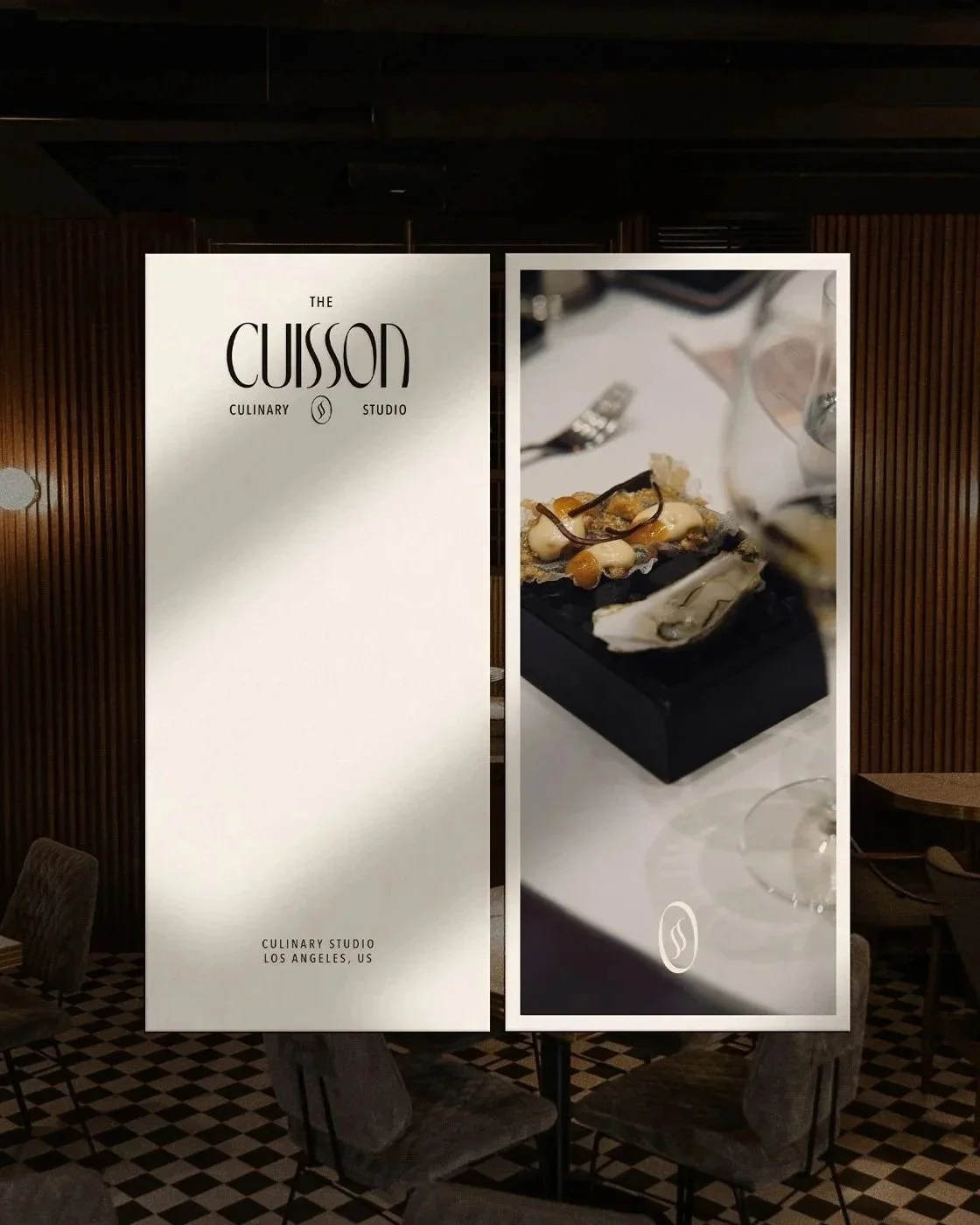
Custom website design for home decor studio De La Region
Does a semi-custom website look like a template?
It should not feel generic when the framework is selected carefully and adapted with strong brand assets.
The most visible signs of an insufficiently customised template are usually not the original layouts themselves. They are demonstration copy that has been replaced with text of the wrong length, inconsistent photography, unconsidered mobile layouts and sections retained without a clear purpose.
A good semi-custom process involves editing as much as styling. The designer should identify which parts of the framework support the business, which should be adapted and which should be removed.
Squarespace describes its templates as responsive, customisable foundations that can be adapted with different sections, content and styling. The quality of the final result depends on how thoughtfully that flexibility is used.
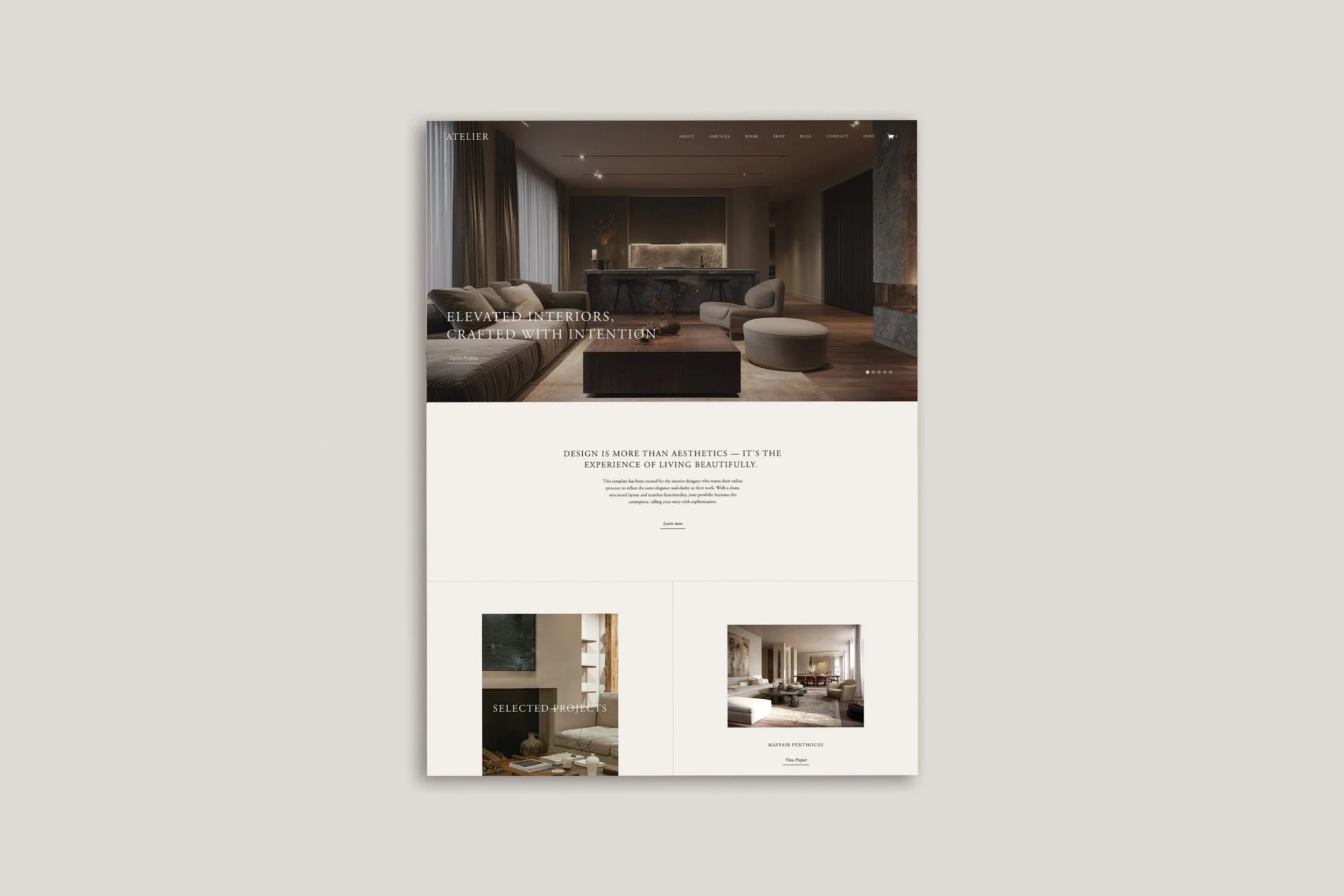
Semi-Custom collection for Interior designers “Atelier”
Is custom website design better for SEO?
Custom design is not automatically better for search visibility.
A semi-custom website can perform well when it has a clear structure, useful content, descriptive page titles, appropriate internal links and a strong technical experience. A custom website can perform poorly when SEO is treated as an afterthought.
Google’s guidance places emphasis on helping users and search engines understand the content, alongside loading performance, responsiveness and visual stability.
Custom design may create additional SEO opportunities when the business requires a more extensive content structure. However, those opportunities still depend on the quality and relevance of the finished pages.
Questions to ask before choosing
Consider the following:
How many services, products or audiences must the website accommodate?
Does an existing framework support the content naturally?
How important is a distinctive digital experience to the positioning?
Do you already have a complete brand identity?
Will the website require specific functionality?
How much content needs to be planned or reorganised?
What will the business need from the website over the next few years?
Are you choosing custom design because it is necessary, or because it appears to be the more impressive option?
Your answers should reveal where the investment will create meaningful value.
What about a new business?
A new business is not automatically limited to a template or semi-custom website.
A founder with a focused service, clear content and strong identity may find that semi-custom design provides everything required for a confident launch.
Another new business may have several audiences, an unfamiliar concept or ambitious e-commerce requirements. Building the website around those needs from the beginning may be more efficient than replacing an unsuitable foundation later.
The decision should be based on complexity and direction, not how long the business has existed.
Frequently asked questions
Can a semi-custom website be expanded later?
Usually, yes. The extent of that expansion depends on the platform, original framework and future requirements. Anticipated services, products or content should be discussed before the project begins.
Is semi-custom the same as DIY?
No. A semi-custom service is completed by a designer using an established framework. The designer adapts the layout, styling and content presentation rather than asking the client to build the website independently.
Is custom website design always more expensive?
Custom design generally involves a larger investment because it requires more strategy, planning and original design work. The final cost also depends on page count, content, functionality and development requirements.
Can an established business choose semi-custom design?
Yes. A focused business with clear content may not need a fully custom structure. Business maturity alone does not determine the appropriate design approach.
Do I need professional branding before either option?
A clear brand identity will strengthen both approaches. At minimum, the website needs considered typography, colours, imagery and a defined tone so that the finished experience feels coherent.
Custom vs semi-custom website design: choosing the right foundation
Semi-custom website design offers an efficient, considered solution when a strong existing framework fits the business.
Custom website design offers greater strategic and creative flexibility when the positioning, content or functionality requires an individual response.
Neither option is inherently more professional. The best choice is the one that gives your business enough structure, distinction and flexibility without paying for complexity it does not need.
At Avelã Creative, we offer custom and semi-custom website design for creative founders, interior studios, consultancies and design-led businesses. Explore our Website Design and Semi-Custom Website Design services, or start a project to discuss the most appropriate approach for your business.
Where to Start
Not sure which approach your business needs? Explore our Custom and Semi-Custom Website Design services, then start a project to tell us about your content, goals and plans for the website.