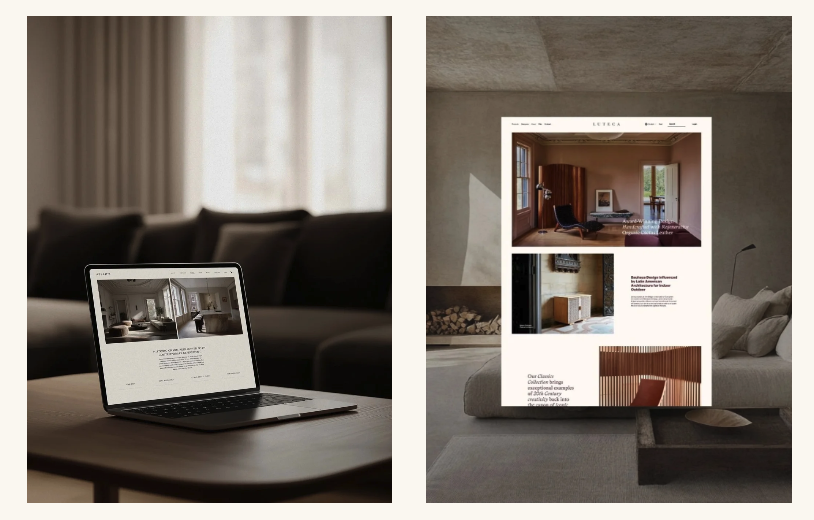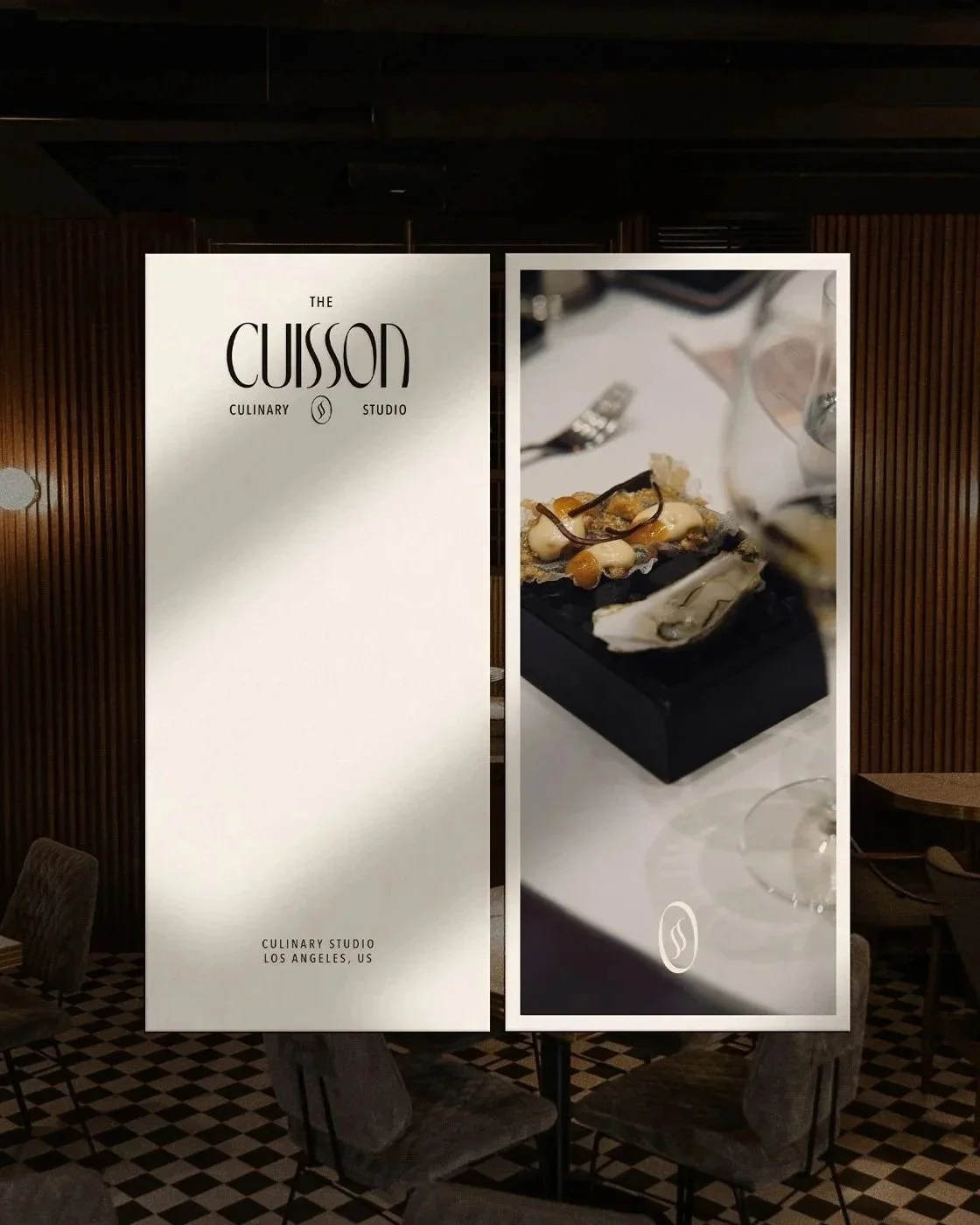
Website Design for Interior Designers: The Pages Every Studio Needs
Interior design websites are often built around the portfolio, and understandably so. Photography provides the most immediate evidence of a studio’s aesthetic judgement and technical ability.
However, photographs alone rarely give a prospective client enough information to make an enquiry.
They also need to understand the type of projects you undertake, the thinking behind the finished spaces, how your studio works and whether your services are suited to their property, location and expectations.
At a minimum, website design for interior designers should include seven core pages: Home, Studio, Services, Portfolio, individual project pages, Process and Enquire.
Each one has a different role in moving a visitor from visual interest to informed confidence.
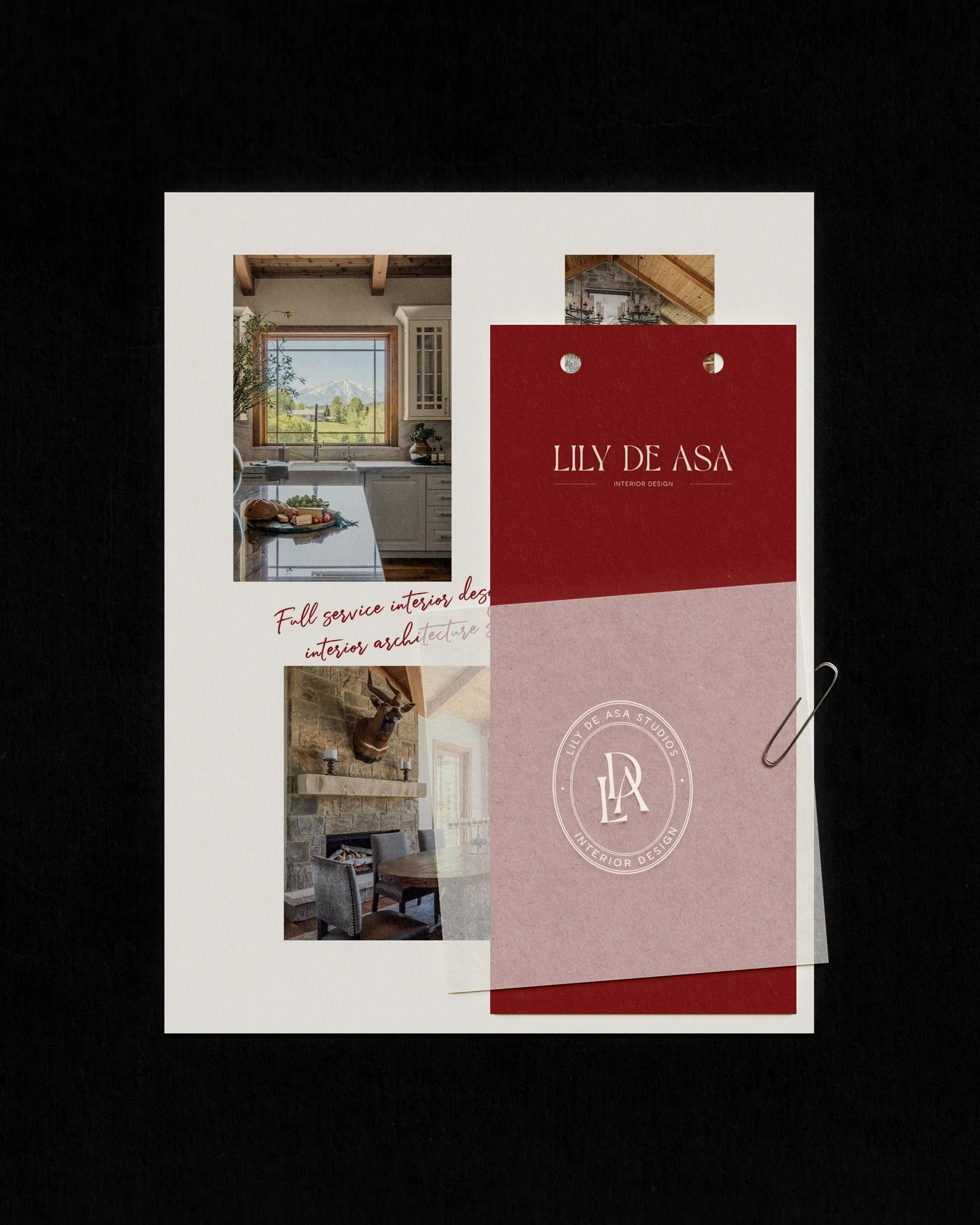
Lily De Asa. Interior Design Studio.
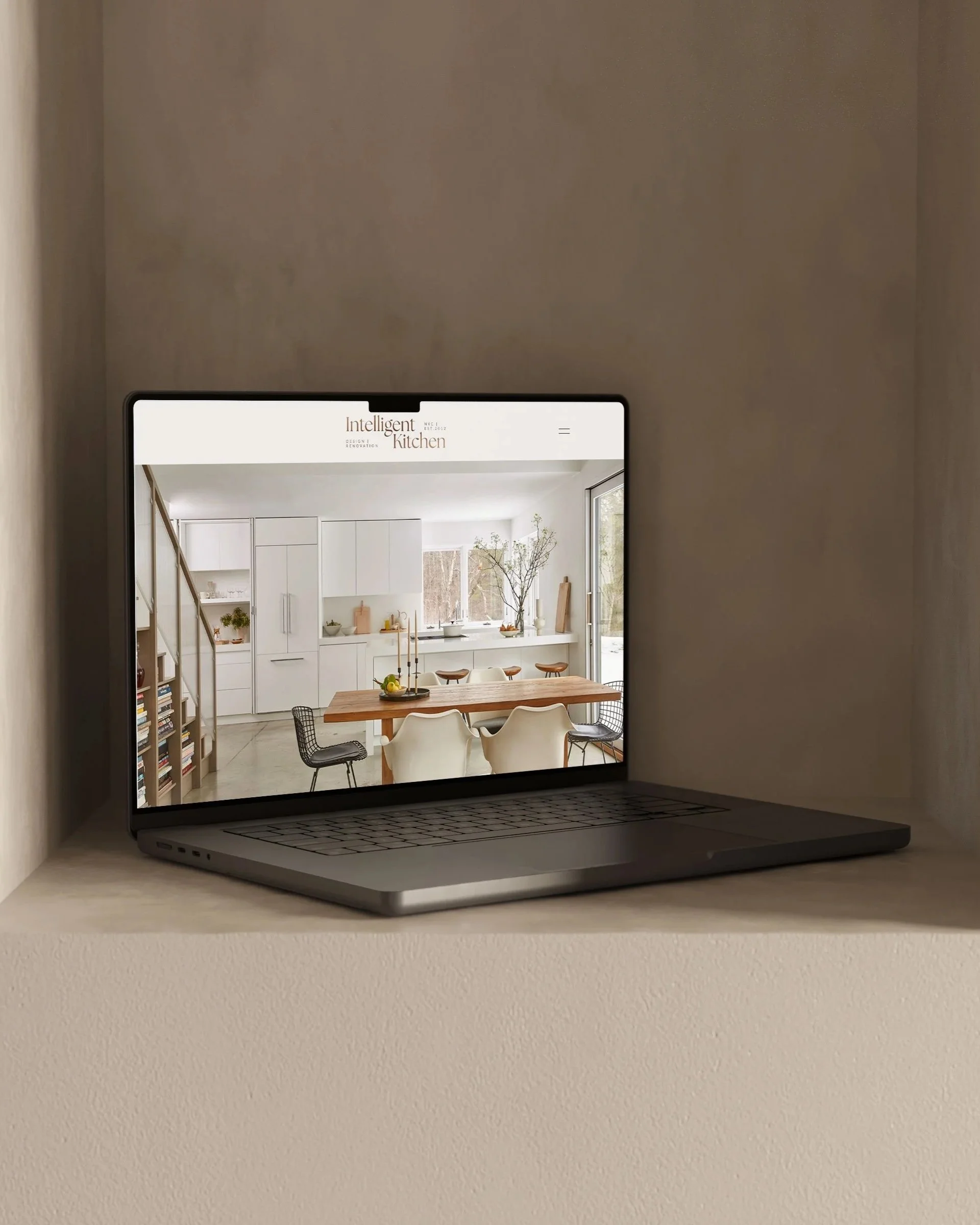
Intelligent Kitchen. Interior Design Studio.
1. A home page that establishes the studio clearly
The home page should provide a concise introduction to the studio rather than attempting to contain the entire website.
Within the first few sections, a visitor should be able to understand what kind of interior design work you offer, where you work and what distinguishes your approach.
This does not require a long opening statement. A clear sentence such as “Residential interior design and architecture for considered homes across London and the Cotswolds” is often more useful than abstract language about transforming spaces.
The rest of the page can introduce selected projects, key services, the studio philosophy and a clear route towards making an enquiry.
Think of the home page as an edited overview. It should create enough interest to encourage further exploration without repeating every detail from the pages that follow.
2. A Studio or About page that builds trust
Interior design is a close and often lengthy working relationship. Clients are not only evaluating the finished rooms. They are considering who they will trust with significant decisions, budgets and access to their home or commercial space.
The Studio page should therefore communicate both expertise and character.
Introduce the founder or team, relevant experience, design perspective and the principles that shape the work. Explain how the studio thinks, not simply how many years it has operated.
A useful Studio page might cover:
The studio’s design philosophy
The founder’s background and relevant expertise
The locations or project types the studio specialises in
The way the team collaborates with architects, contractors and makers
Selected press, awards or professional memberships, where applicable
Avoid turning the page into a formal biography detached from the rest of the website. The purpose is to make the studio feel credible, recognisable and appropriate for the client.
3. A Services page that defines the scope of your work
Potential clients should not need to infer your services from portfolio photographs.
A visitor may admire a completed townhouse without knowing whether your studio was responsible for the interior architecture, decoration, furniture selection, procurement or styling.
Your Services page should explain what you offer, what each service includes and which types of projects are most appropriate.
A residential studio might offer full service interior design, interior architecture, furnishing and styling, or design consultation. A multidisciplinary practice may need separate sections for residential, hospitality and commercial projects.
If the services involve different audiences, budgets or search terms, individual service pages may be more effective than placing everything on one long page. They provide room to explain each offer properly and create a clearer route for visitors with a specific requirement.
The aim is not to publish every operational detail. It is to give prospective clients enough context to recognise whether their project fits your expertise.
Lily De Asa. Interior Design Studio.
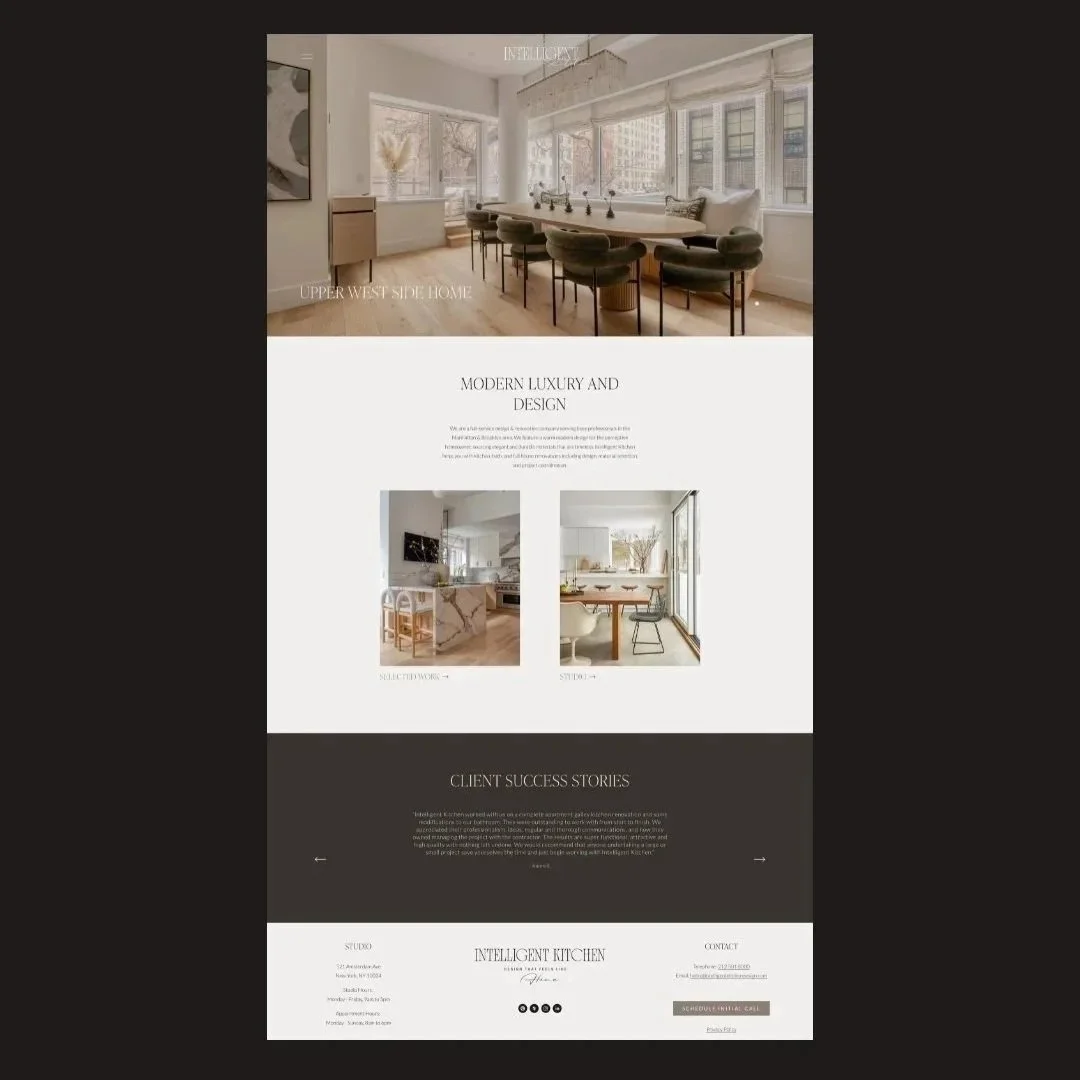
Intelligent Kitchen. Interior Design Studio.
4. A curated portfolio page
The main portfolio page should help visitors understand the range and direction of the studio’s work.
Quality matters more than quantity. A smaller collection of well photographed, relevant projects will usually communicate more confidence than an extensive archive containing work that no longer reflects the studio.
Projects can be organised by location, property type, service or sector where those distinctions are meaningful. A studio working across residential and hospitality design, for example, may benefit from clear categories. A smaller residential practice may need only one carefully edited portfolio.
The order also matters. Place the projects that best represent the work you want to attract near the beginning, rather than arranging everything strictly by completion date.
Your portfolio is not only a record of previous work. It shapes the assumptions visitors make about the projects you are prepared to take on next.
5. Individual project pages that tell the full story
Every substantial portfolio project should have its own page.
A grid of photographs can establish visual appeal, but an individual case study can demonstrate judgement, problem solving and scope. This is especially important when two finished spaces may look similarly polished but required completely different levels of involvement.
Introduce each project with useful context, such as:
Project type and location
The studio’s scope of work
The client’s priorities or original brief
Important architectural or practical considerations
The central design approach
Relevant materials, makers or custom elements
Photography and collaborator credits
The project description does not need to become an essay. A few specific paragraphs can make the work significantly easier to understand.
Individual project pages also create opportunities for relevant internal links. A residential project can lead naturally to the corresponding service, while a hospitality project can direct visitors towards similar work.
From an SEO perspective, descriptive titles, surrounding text and accurate image alt text help search engines understand what the images and pages concern. Google recommends placing images close to relevant copy and using concise, descriptive page titles rather than vague labels.
6. A Process page that reduces uncertainty
Many potential clients have never worked with an interior designer before.
They may not understand when to appoint a studio, how long a project might take, what decisions they will be expected to make or how the relationship with architects and contractors is managed.
A Process page can answer these concerns before the initial conversation.
Outline the principal stages of your work, such as discovery, concept development, design development, documentation, procurement, installation and styling. Adapt these stages to your actual practice rather than following a generic industry template.
The page should also explain practical expectations where appropriate. You might clarify the typical geographical area, preferred project stage, minimum scope or whether your studio works remotely.
Transparency does not make a service feel less personal. It reassures clients that there is a considered method behind the creative work.
7. An enquiry page that qualifies potential projects
A contact page should make it easy to begin a conversation while collecting enough information to assess whether the project is suitable.
A generic form asking only for a name, email address and message places all the work on the prospective client. It also gives the studio very little context for the reply.
Consider asking for:
Project location
Property or project type
Required services
Approximate size or scope
Preferred timeline
Estimated investment
How the client discovered the studio
Keep the form focused. Every question should help you understand the enquiry or prepare for the first conversation.
The page should also explain what happens after submission. Let visitors know whether they can expect an email, introductory call or project questionnaire. This small detail makes the process feel organised from the beginning.

Lily De Asa. Interior Design Studio.
Additional pages that may support a growing studio
Not every interior design studio needs an extensive website at launch.
As the business develops, additional pages can support search visibility, authority and different client journeys.
A Journal can provide useful guidance on the design process, renovation planning, materials or working with a designer. A Press page can collect meaningful editorial coverage. Location pages may be appropriate for studios with a genuine presence or body of work in several defined regions.
These pages should exist because they provide useful information, not simply to make the website appear larger.
Clear navigation is equally important. Familiar labels such as Studio, Services, Projects and Enquire are usually more helpful than abstract terminology that requires visitors to guess where information is located. Usability guidance consistently recommends clear, specific menu labels rather than internal language or clever names.
How the pages should work together
The strongest interior design websites do not treat each page as an isolated piece of content.
A prospective client might arrive through a project page found in search, move to the relevant service, read about the process and then submit an enquiry. Another may begin on the home page, review several projects and visit the Studio page before deciding whether the relationship feels right.
Each page should offer a logical next step.
Project pages can link to services. Services can lead to the process. The process can lead to an enquiry. The Studio page can direct visitors back to selected work that demonstrates the stated philosophy.
This creates a website that feels coherent rather than a series of separate pages connected only through the navigation menu.
Building a first website versus refining an established one
A new studio may not yet have a large portfolio, but it can still create a clear and credible website.
Begin with the strongest work available and describe it accurately. Personal projects, previous experience or collaborative work should be clearly identified rather than presented as studio commissions. Strong positioning and a focused service offer can provide structure while the portfolio grows.
An established studio often has the opposite problem. Years of projects, press and services may have accumulated without a clear hierarchy.
In this case, the website should be edited around the studio’s current direction. Older work that no longer reflects the desired market does not need to remain visible simply because it exists.
The number of pages matters less than the clarity of the decisions behind them.
Website design for interior designers should guide, not only impress
An interior design website needs to present the work with sensitivity, but its role does not end with visual impact.
It should explain the studio clearly, show the relevance of each project, reduce uncertainty around the process and make it easier for suitable clients to take the next step.
The strongest websites give photography room to lead while providing the information required to turn admiration into a serious enquiry.
At Avelã Creative, we create strategic brand identities and custom Squarespace websites for interior designers and architecture studios. Explore our Website Design service or start a project to discuss a website built around your work, positioning and future direction.
Where to Start
Your website should give prospective clients a clear understanding of your work before the first conversation. Explore our Website Design service or start a project to create a considered online presence for your interior design studio.